
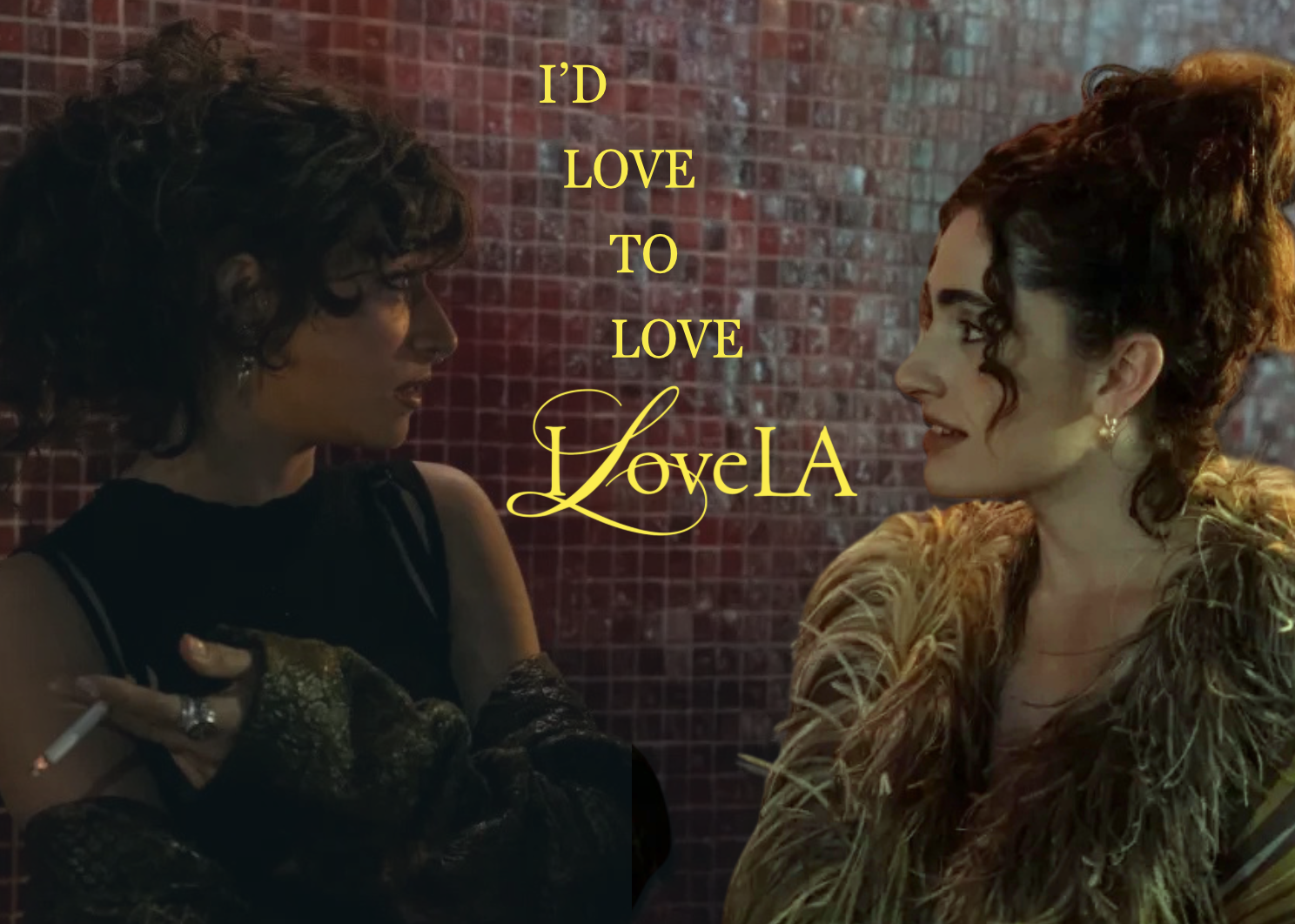
Like many of my twenty-something, creative and ambitious, cocky and desperate, hubristic and anxious peers and neighbors on the East side of Los Angeles, last Sunday night I sat down on to watch the much-anticipated pilot episode of I love LA, Rachel’s Sennott’s entry into the past year’s competition to deliver an adequate televisual project that caters to and captures a Gen-Z audience and sense of humor.
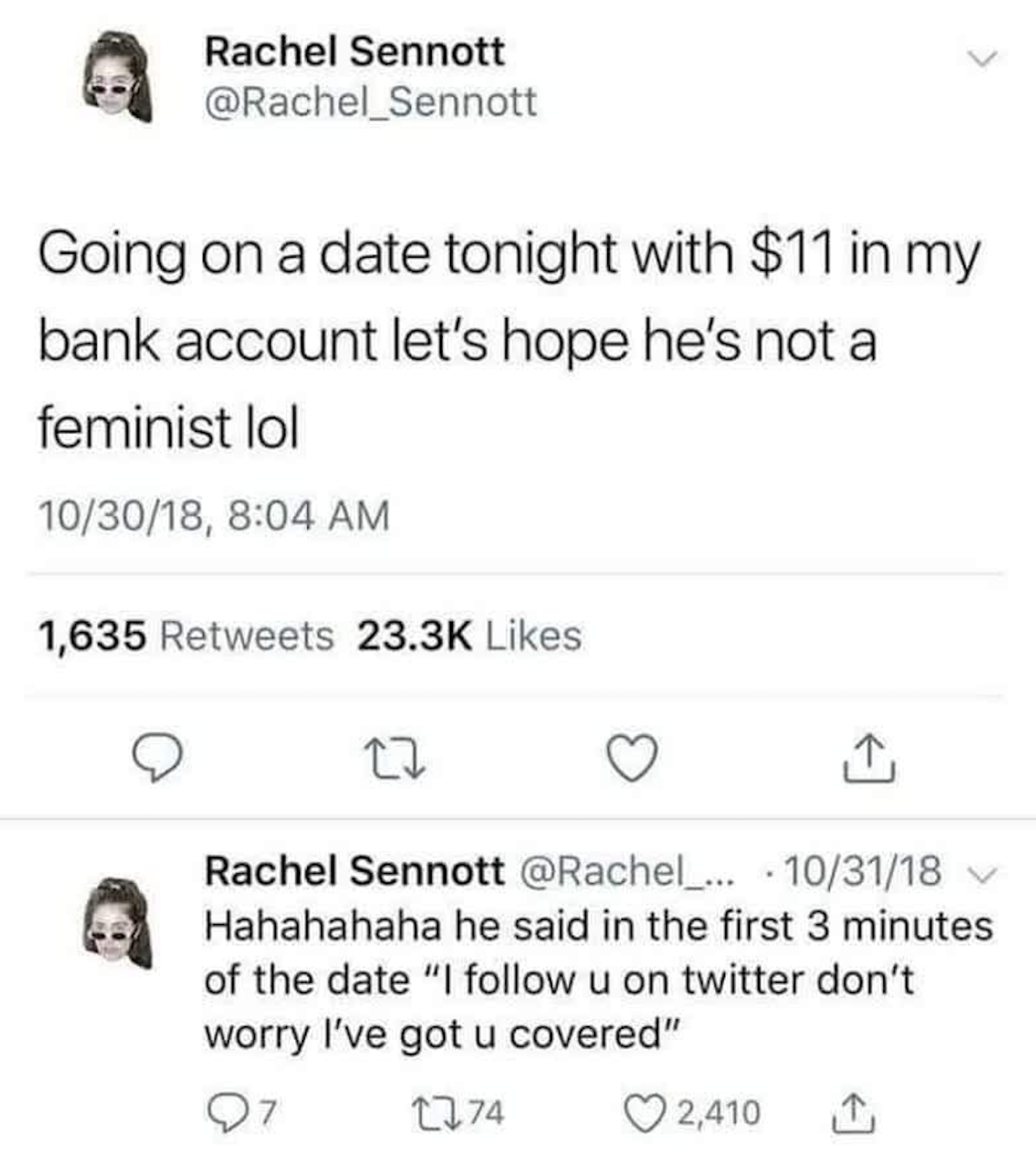
If anyone should be able to pull this task off, it is Rachel Sennott. With Bottoms, Shiva Baby, and Bodies Bodies Bodies, she set herself apart as a creative with her finger on the pulse of what makes Gen-Zers laugh. And, she has been a voice of the generation long before she had a publicist marketing herself as that. Never forget one of my favorite contributions of hers, this tweet. (Hang it in the Musée D’Orsay.)
We’ve had reason to believe Sennott would be a sincere Gen Z champion: in marketing the show, Sennott spoke about how often Gen Z gets teased and undermined. She seemed to understand that for Gen Z, there is no solid ground under our feet on which we can catch our breath: that ground is almost always shaking, either metaphorically or literally, like in I Love LA’s very first scene.
Older adults might want to jump to suggest that this is something every generation has had to deal with; the twenties are hard, and after all, every generation thinks it is special. But I must insist that our specialness is only to be superseded by that of the generation that follows us, as things are sure to be even worse for them. But Gen Alpha is not the generation that Rachel Sennott looks to depict in I Love LA, which prompts the question: who exactly is she trying to depict, and who is the show really for? Because while her interview answers would imply this is a show by and for Gen Z-ers, the proof wasn’t in the pilot.
Full of LA, and specifically, east side LA, references (hello, Courage Bagels), this show marketed itself as if it were made in a lab for my ilk — twenty somethings working assistant jobs they hate, tinkering with short film scripts they’ve been meaning to make for years, and possessing at least one friend who is kind of blowing up online. The episodes are filmed on my street, in the bars my friends and I frequent, with the characters talking about the things we talk about. Surely, surely, we would be the target audience. Furthermore, with all of its Los Angeles IYKYK references and subject matter, the show doesn’t seem to be trying to make itself compelling to an outside audience. (And it delivers neither the exclusive outsider-looking-in allure of Gossip Girl, nor the unflattering mirroring of Girls). But the crisis of the first episode of I Love LA is that it seems to be both not for LA people and not for out-of-towners.
Part of the reason it does not hit with an LA crowd is that the show (so far! so far!) doesn’t fairly represent the city or the generation it’s about. This is especially grating to me because one of the biggest tropes around Gen Z is that they have no self awareness, yet in my experience young people are often excruciatingly aware of themselves, choking on their own self perceptions. Nepo babies are usually insufferable because of the way they try to hide their nepo baby status, not because they say things like “my dad had his first Oscar at 28.” With writing like this, Sennott is writing a caricature, not a person. So while the show is meant to be for us Gen-Z Angelenos, it feels like we are just being asked to laugh at ourselves again, but with jokes that aren’t accurate, or even, at the very least, fresh. Is it for us, or are we the butt of the cliché that our shitty bosses perceive us through?
There are a couple tangible things that could have made a difference. Like, if they had made her character even more of a meta-commentary, and instead of her working at a social media agency that seems like it would fit more in Nashville or Raleigh, she could have been a writer’s assistant who cannot fucking catch a break. Or a PA who longs to be a writer’s assistant. Or a barista who longs to be a PA. It is a horrible and Sisyphean thing to be trying to further a self-indulgently creative career as the world around you burns, or at least, seems to collapse. What is the point of trying to make art, and more so, what is the point of trying to sell art? Some of those bigger questions get lost if her highest ambitions are to make more money in a publicity role or just become as cool as her friend.
Some dark comedic moments felt like they were left on the table. For example, if we are going to reference the Palisades fires, let’s really reference them and the comedy that can be inherently found within them. (I “evacuated” to Manhattan Beach, only to realize that I had placed myself perfectly downwind of the smoke. A perfect metaphor for trying to do crisis control in your twenties.) Instead, it’s said with no self awareness by their very wealthy friend Alani, and Maia and Charlie, played by Sennott and Jordan Firstman, perform sympathy. But it left me wondering how sad should you act to your friend who lost their childhood home but has three other houses? What do you do? How much empathy do we reserve for the very wealthy who go through something legitimately traumatizing when traumas are abundant and ultimately they came out fine?
It’s also not clear exactly what the problem presented in the first episode of I Love LA is — she wants a promotion but might not get it? Her friend is difficult but also loves her? In the pilot of Girls, the stakes are higher because Hannah is being cut off. She has to figure it out, and there’s no evidence within the first episode that she will. As it currently stands, the show can’t decide if it cares more about plot or dialogue, and as a result, both do not seem to be the point.
Studios and networks are particularly not risk-averse at this moment. And I really think that if traditional media is going to rival the content production like that on TikTok, younger creatives have to be included much earlier in their careers than studios and networks and production companies would like. So the stakes for I Love LA are high. Here’s hoping that “I Love LA” becomes impressively good throughout the course of its season, or it serves as a perfect example for the opposite argument, that Gen Z writers are as capable of letting down Gen-Zers as everyone else.
subscribe to our newsletter for all the new happenings in entertainment.